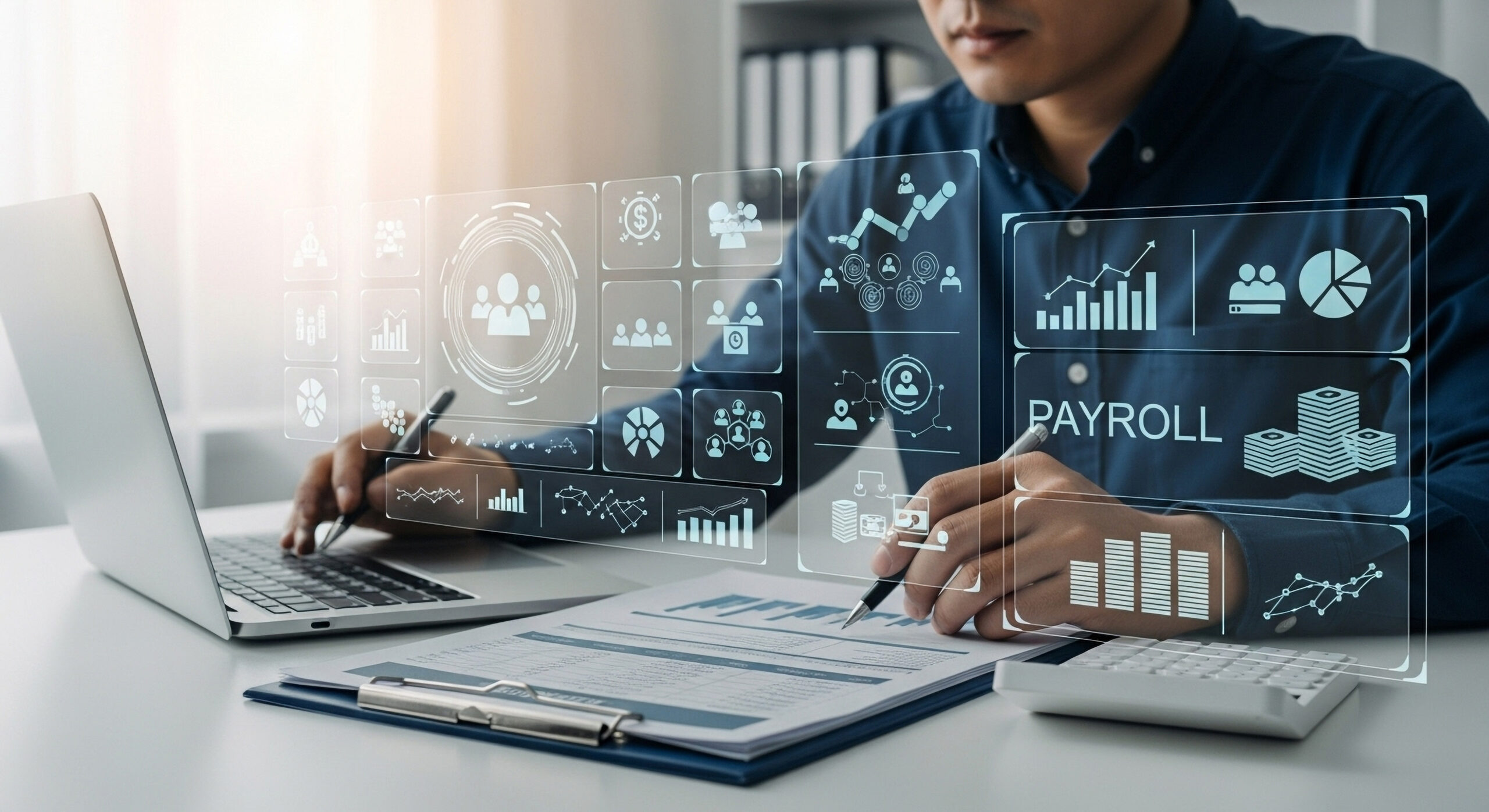
Technology has completely transformed the accounting world, and for someone who has worked in this field for decades, the change has been remarkable. When I first started, accounting involved paper ledgers, pencil erasers, and long hours manually entering numbers. Today the tools are smarter, faster, and more accurate. Technology has not replaced the role of the accountant, but it has changed how we work and how we serve our clients.
Moving from Manual Work to Automation
One of the biggest shifts has been the move from manual data entry to automated systems. Tasks that once took hours can now be done in minutes. Software can pull in data directly from banks, credit cards, and financial systems. It organizes transactions and flags anything that looks unusual.
This saves time and significantly reduces the chances of human error. Instead of spending a full day reconciling accounts, I can spend more time reviewing the results and helping clients understand what the numbers mean. Automation frees accountants to focus on strategy rather than simple data entry.
Cloud Accounting Creates Flexibility
Cloud technology has made accounting more flexible than ever. Years ago, clients had to bring boxes of paperwork into the office. Today we can access financial records anytime and anywhere with secure online platforms. This has made the entire process faster and more convenient for both the accountant and the client.
Cloud systems allow for real time collaboration. Clients can upload documents, check the status of their taxes, or send a question directly through the software. This level of access improves communication and keeps everyone on the same page throughout the year.
Better Accuracy with Advanced Software
Modern accounting programs do more than store numbers. They help improve accuracy by using advanced algorithms and built in checks. These tools catch discrepancies that might go unnoticed in a manual system. They also keep track of changing tax laws and automatically update forms and calculations.
For accountants, this means we can deliver more reliable results. For clients, it means greater confidence that their financial records and tax filings are correct. Technology brings precision that is difficult to match with older methods.
Improving Tax Preparation and Planning
Tax preparation has changed dramatically thanks to modern software. What used to require hours of reviewing handwritten forms is now done through integrated systems that gather information, verify data, and generate accurate returns.
But the real value goes beyond preparing a tax return. Technology helps with tax planning. By analyzing financial patterns and forecasting future outcomes, software gives us a clearer picture of how decisions today impact taxes later. This helps clients make smarter choices about investments, deductions, and long term planning.
Strengthening Security and Compliance
Security has become a major priority in accounting because we handle sensitive financial information. In the past, file cabinets and locked offices were the main lines of defense. Now we rely on encrypted systems, secure servers, and advanced authentication methods.
Technology provides stronger protection against fraud and identity theft. It also helps maintain compliance with state and federal regulations by keeping detailed audit trails and automatically storing documentation. These digital safeguards give clients peace of mind knowing their information is protected.
Data Analytics Supports Better Decision Making
The rise of data analytics has brought a new dimension to accounting. Instead of looking only at past numbers, we can now analyze trends, predict future performance, and identify opportunities for growth.
For example, small business owners can use analytics to understand seasonal changes, track expenses more closely, or monitor cash flow in real time. Accountants can then interpret this data and provide guidance that helps business owners stay ahead. Technology turns financial information into a powerful tool for making informed decisions.
Enhancing Client Relationships
While technology has reshaped how we do our work, the human side of accounting is still essential. In fact, technology has made the relationship between accountant and client even stronger. With automated tools handling routine tasks, we can spend more time advising clients, answering questions, and helping them reach their goals.
Technology also improves communication. Clients can message me through secure portals, upload documents instantly, or review reports without waiting for a meeting. This convenience helps build trust and keeps the relationship active all year, not just during tax season.
Preparing for the Future
The accounting field will continue to evolve. Artificial intelligence, machine learning, and even blockchain technology are becoming part of the conversation. These tools will likely take automation even further, providing deeper insights and increasing efficiency.
Even with these advancements, I believe the role of the accountant will remain important. Technology can process numbers, but it cannot replace the judgment, experience, and personal understanding that come from working with clients year after year. My job is not just to handle the math. It is to guide families and small businesses through financial decisions that shape their future.
Final Thoughts
Technology has changed nearly every part of accounting, and it has made our work faster, more accurate, and more secure. But the heart of the profession has stayed the same. Clients still need someone they can trust to help them navigate financial challenges and make sense of the numbers.
I have embraced technology because it helps me serve my clients better. It gives me more time to listen, advise, and build relationships that last. The tools will continue to evolve, but the commitment to service and integrity remains constant. That is what modern accounting is truly about.